
What changes in the team's day
When AI enters a process, people's work does not disappear, it moves. What to expect and how to prepare the team.

When a team hears that a task will now be done with artificial intelligence, the first question from the people who do it today is rarely technical. It is “and what will I be doing?”. It is a fair question, and it deserves a concrete answer before the project starts.
The work moves
In a repetitive process, most of the time goes to the simple cases: open, check, record, move on to the next. The cases that really call for experience are few and often get left to the end of the day, when nobody has the energy for them.
With a system handling the simple cases, the proportion flips. The person now receives the cases the system could not settle, reviews a sample of the ones it did settle and answers whoever disputes a decision. They handle fewer cases, and each one takes more attention.
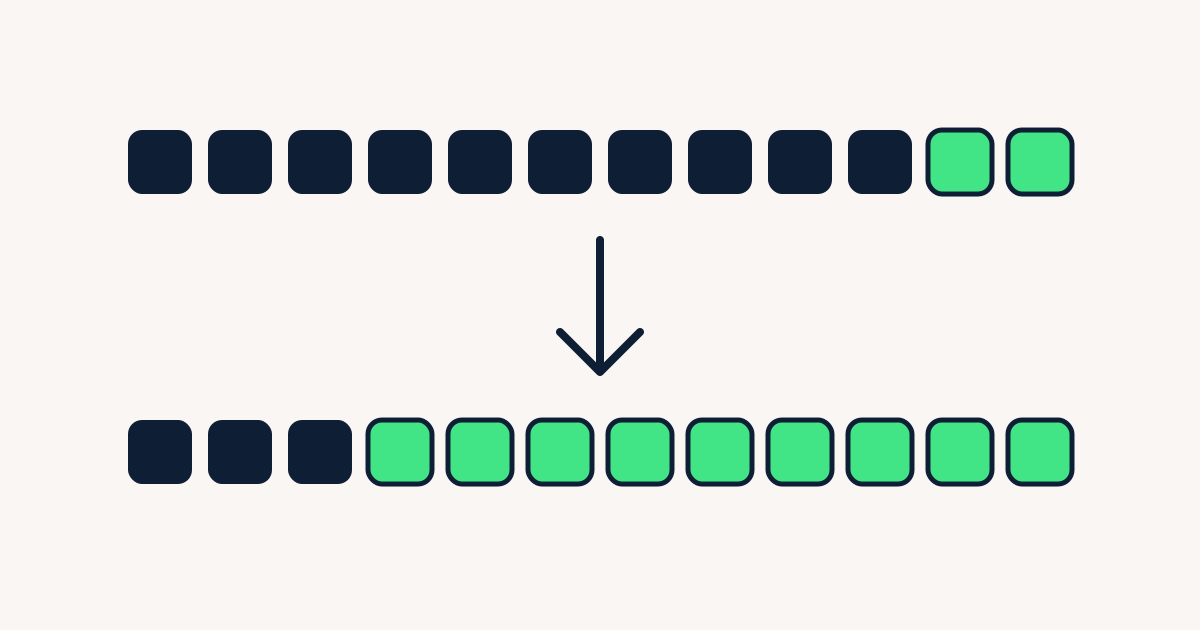
What is gained and what is lost
You gain time for the cases that need judgement and for talking to the people on the other side. You lose a certain rhythm: some people like working through a pile and watching it shrink. The new work is closer to supervising than to executing, and not everyone feels at home in it straight away.
What counts as doing the job well changes too. Before, it was getting through many cases without mistakes. Now it is catching the system’s mistakes, explaining why a case is different and saying when a rule no longer makes sense.
How to prepare the team
Start with the task nobody wants. The first thing to automate should be the dullest one, the one the team itself would choose. That makes it clear from the start what the system is for.
Have the people who do the work test it. They know the exceptions, the difficult customers and the cases that are not in the manual. If the system fails, they are the first to see it. When they take part in testing, they trust the result more, and the result is better.
Give review the weight it has. Correcting the system has to be easy and has to have consequences. A correction nobody reads teaches the team to stop correcting.
Say what happens to the time that is freed. If the plan is to serve customers better, handle requests that go unanswered today or grow without hiring, say so. Silence on this point feeds distrust more than anything else.
The question from the start
“And what will I be doing?” has an answer: the cases that need you. A project that cannot say which ones those are is not ready to start.